Thermal Spray Coating for Aerospace Applications in India | ATSPL
The aerospace industry requires high-performance materials and advanced engineering technologies to ensure the safety, reliability and durability of aircraft components. Aircraft engines, turbine components, landing gear systems and other critical parts operate under demanding conditions involving high temperatures, friction, oxidation, erosion and mechanical stress.
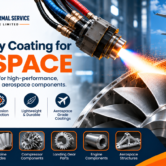
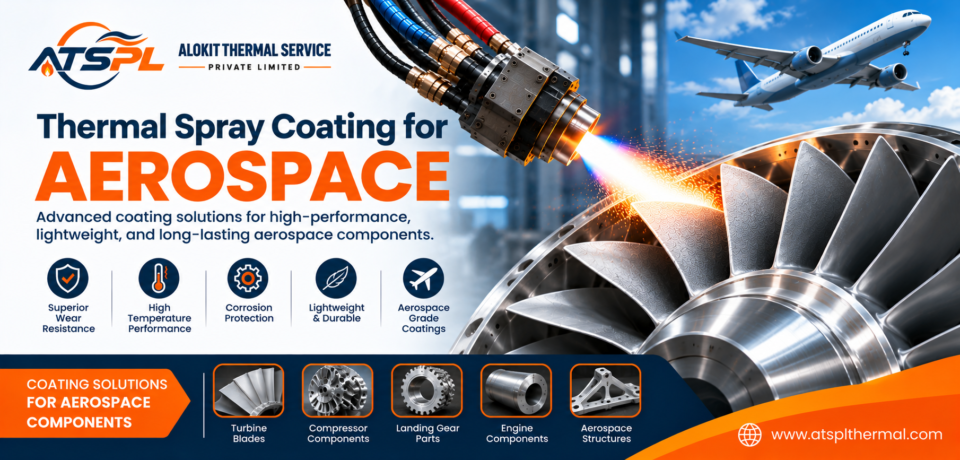
Thermal Spray Coating for Aerospace is an advanced surface engineering technology used to improve the surface properties of selected aerospace components. By applying specialized metallic, ceramic or carbide coatings, manufacturers can improve resistance to wear, corrosion, oxidation and high-temperature exposure.
Alokit Thermal Service Pvt. Ltd. (ATSPL), based in Ahmedabad, Gujarat, India, provides specialized thermal spray coating and surface engineering services. Its technologies include HVOF, Plasma Spray, Arc Spray, Thermal Spray Aluminium and other application-specific coating solutions.
What Is Thermal Spray Coating for Aerospace?
Thermal spray coating is a surface treatment process in which coating materials are heated or accelerated and deposited onto a prepared component surface. The deposited particles form a protective layer that modifies the surface characteristics without necessarily changing the properties of the underlying component.
Thermal Spray Coating for Aerospace is used in suitable applications where components require improved surface durability, wear resistance, corrosion protection or thermal protection.
Depending on the engineering requirements, coating materials may include:
- Tungsten carbide
- Chromium carbide
- Aluminium
- Nickel-based alloys
- Stainless steel
- Ceramic materials
- Specialized metallic alloys
The selection of coating material depends on component design, substrate material, operating temperature, mechanical loading and required performance.
Why Is Thermal Spray Coating Important in the Aerospace Industry?
Aerospace components are exposed to demanding operating environments. Even minor surface deterioration can affect component performance, maintenance requirements and operational reliability.
Professional Thermal Spray Coating for Aerospace applications can provide several important advantages.
1. Improved Wear Resistance
Aircraft components such as shafts, sleeves, bearings and selected mechanical parts may experience friction and repeated mechanical contact.
Suitable thermal spray coatings can improve surface hardness and wear resistance, helping protect components against premature deterioration.
2. High-Temperature Protection
Aircraft engines and turbine systems operate under elevated temperatures. Certain components require specialized protective coatings to withstand thermal exposure and oxidation.
Application-specific ceramic and metallic thermal spray coatings can provide thermal protection when correctly engineered and qualified.
3. Corrosion Protection
Aerospace components may encounter moisture, environmental contaminants and corrosive conditions.
Suitable metallic thermal spray coatings can provide protective surface layers to help reduce corrosion-related damage.
4. Improved Component Durability
Thermal Spray Coating for Aerospace can improve the surface properties of selected components, potentially extending their service life and reducing premature surface deterioration.
5. Component Restoration
Some worn aerospace components may be candidates for dimensional restoration using suitable thermal spray processes. However, restoration must comply with the original equipment manufacturer’s requirements and applicable aerospace engineering approvals.
Types of Thermal Spray Coating Technologies for Aerospace
Different thermal spray technologies are selected according to the component’s operating conditions and performance requirements.
1. HVOF Coating
High Velocity Oxy-Fuel (HVOF) is an advanced thermal spray process used to produce dense protective coatings with strong bonding characteristics.
During this process, coating powder is heated and accelerated at high velocity toward a prepared surface.
HVOF coatings are commonly considered for applications requiring excellent wear and abrasion resistance.
Potential applications include:
- Selected turbine components
- Shafts and sleeves
- Mechanical components
- Hydraulic components
- Wear-resistant surfaces
- Precision industrial parts
ATSPL provides HVOF coating services using materials such as tungsten carbide and chromium carbide for suitable industrial components.
Explore HVOF Coating Services.
2. Plasma Spray Coating
Plasma Spray uses a high-temperature plasma jet to heat and accelerate coating materials onto a prepared component surface.
It is particularly useful for depositing ceramic and selected metallic coatings.
In aerospace engineering, plasma spraying is used in qualified applications involving thermal barrier protection, oxidation resistance and specialized surface requirements.
The coating material and application parameters must be selected according to the component design and applicable technical specifications.
3. Arc Spray Coating
Arc Spray uses an electric arc to melt metallic wires and deposit the material onto a prepared surface.
It is generally used for selected metallic coating applications involving corrosion protection and surface engineering.
Its suitability for aerospace components depends on the component requirements and qualification standards.
4. Tungsten Carbide Coating
Tungsten carbide is recognized for its high hardness and wear resistance.
When deposited through an appropriate HVOF process, tungsten carbide-based coatings can provide excellent protection against abrasive and sliding wear.
For suitable aerospace-related mechanical components, tungsten carbide coating may be evaluated where surface wear resistance is an important requirement.
Learn more about Tungsten Carbide Wear Coating.
Applications of Thermal Spray Coating in Aerospace
Thermal Spray Coating for Aerospace has applications across several areas of aircraft manufacturing, maintenance and component engineering.
Aircraft Engine Components
Engine components operate under demanding thermal and mechanical conditions. Selected components may require specialized thermal spray coatings for wear, oxidation or thermal protection.
Turbine Components
Turbine systems require materials and protective surfaces capable of withstanding high temperatures and mechanical stresses. Qualified thermal spray coatings can improve specific surface properties.
Landing Gear Components
Landing gear components experience repeated mechanical loads, friction and surface wear during aircraft operations.
Appropriate wear-resistant coatings may be considered for selected parts, subject to engineering specifications.
Hydraulic Systems
Hydraulic components can experience sliding friction, pressure-related wear and surface deterioration.
Suitable coatings may improve the durability of selected shafts, sleeves and other mechanical surfaces.
Aerospace Manufacturing Equipment
Manufacturing equipment used in aerospace production also requires durable surfaces to maintain precision and productivity. Thermal spray coatings can help protect selected industrial tooling and mechanical components.
Benefits of Thermal Spray Coating for Aerospace Components
Choosing the correct Thermal Spray Coating for Aerospace application can offer several potential benefits:
- Improved surface wear resistance
- Enhanced corrosion protection
- Better resistance to selected high-temperature conditions
- Protection against abrasion and erosion
- Improved component surface durability
- Potentially extended component service life
- Restoration of suitable worn components
- Reduced surface deterioration
- Improved performance of selected mechanical parts
Actual performance depends on coating composition, application parameters, substrate compatibility, finishing and inspection.
Thermal Spray Coating Process
A professional thermal spray application involves several important stages.
1. Component Inspection: The component is assessed to understand its material, dimensions, surface condition and operating requirements.
2. Surface Preparation: The surface is cleaned and prepared to achieve suitable coating adhesion.
3. Coating Selection: Engineers select the appropriate coating material and spray technology based on the intended application.
4. Thermal Spray Application: The selected material is deposited using an appropriate process such as HVOF, Plasma Spray or Arc Spray.
5. Finishing: Grinding, machining or polishing may be performed to achieve the specified dimensions and surface finish.
6. Quality Inspection: Coating thickness, hardness, adhesion, bond characteristics and surface condition can be evaluated according to the applicable project requirements.
Learn more about the Thermal Spray Process.
Why Choose ATSPL for Thermal Spray Coating in India?
Alokit Thermal Service Pvt. Ltd. (ATSPL) specializes in thermal spray coating and industrial surface engineering solutions.
Located in Ahmedabad, Gujarat, ATSPL provides coating technologies designed to protect industrial components against wear, erosion, corrosion and demanding operating conditions.
Its published capabilities include:
- HVOF coating
- Plasma Spray
- Arc Spray
- Thermal Spray Aluminium
- Thermal Spray Zinc
- Tungsten Carbide Wear Coating
- Component Restoration and Specialty Coatings
- Roller and Cylinder Reclamation
ATSPL also describes quality checks covering coating thickness, micro-hardness, bond evaluation and surface condition.
For aerospace-related requirements, the coating process, material, inspection criteria and component acceptance must be verified against the relevant aerospace specifications and customer approvals. Industrial coating capability alone does not establish aerospace certification or qualification.
Explore Component Restoration & Specialty Coatings to learn more about ATSPL’s surface engineering services.
Frequently Asked Questions
1. What is Thermal Spray Coating for Aerospace?
Thermal Spray Coating for Aerospace is a surface engineering technology used to improve selected aircraft component properties, including wear resistance, corrosion protection and thermal performance.
2. Which thermal spray coating is used in aerospace applications?
HVOF, Plasma Spray and other specialized thermal spray technologies are used in aerospace applications depending on component requirements and engineering specifications.
3. What is HVOF coating used for in aerospace?
HVOF coatings are used in qualified applications requiring high wear resistance, hardness and dense protective surfaces.
4. Is Plasma Spray suitable for aerospace components?
Yes. Plasma Spray is used for qualified aerospace applications, particularly certain ceramic and thermal barrier coatings.
5. Can thermal spray coating protect aircraft turbine components?
Suitable thermal spray coatings can protect selected turbine components against wear, oxidation and high-temperature exposure, depending on the coating system and component specifications.
6. What materials are used in aerospace thermal spray coating?
Common materials include ceramic materials, nickel-based alloys, tungsten carbide, chromium carbide and other specialized metallic coatings.
7. Can thermal spray coating restore worn aerospace components?
Some components may be suitable for restoration, but the process must meet the applicable engineering, inspection and approval requirements.
8. Does ATSPL provide thermal spray coating services in India?
Yes. ATSPL provides HVOF, Plasma Spray, Arc Spray and other thermal spray and surface engineering services from Ahmedabad, Gujarat.
9. What factors determine the right aerospace coating?
Important factors include substrate material, operating temperature, mechanical loading, wear mechanism, coating thickness, component geometry and applicable aerospace specifications.
10. How can I contact ATSPL for coating requirements?
You can contact Alokit Thermal Service Pvt. Ltd. through its official website to discuss your component details, coating requirements and technical application.